
Frequently Asked Questions

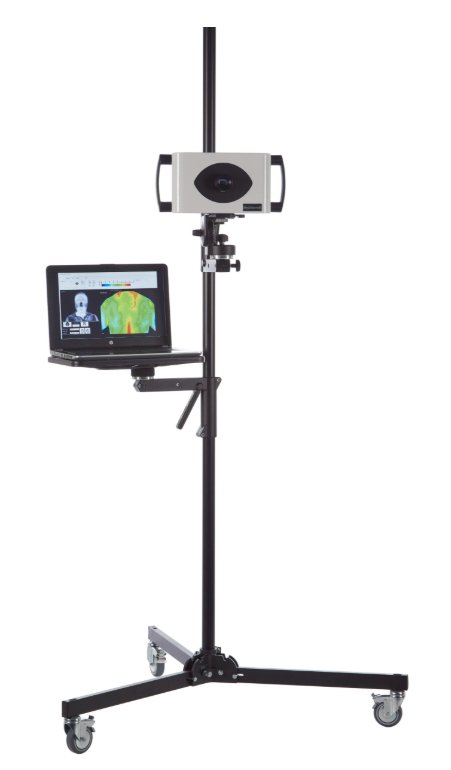
What is thermography?
Thermography is a non-invasive imaging technique that uses infrared technology to detect heat patterns and blood flow in the body. It’s often used as a preventive screening tool to identify inflammation and early changes in function.
Is thermography safe?
Yes! Thermography is 100% safe. It involves no radiation, no contact, and no compression, making it a gentle and risk-free option for health screening.
Does thermography hurt?
Not at all. It’s completely painless and non-invasive. You simply stand or sit while images are taken—no touching or pressure involved.
What can thermography detect?
Thermography can identify abnormal heat patterns that may indicate inflammation, infection, nerve damage, hormone imbalances, or other functional changes in the body.
Is thermography a replacement for mammograms or other medical tests?
No. Thermography is not a replacement, but it’s a valuable complementary tool that provides different, functional insights into your health.
How should I prepare for a thermography session?
You’ll be given prep instructions, which may include avoiding lotions, deodorants, hot showers, or exercise the day of your scan to ensure accurate results.
Appointment Preparation Checklist is available under the Forms on the upper line of the homepage.
How long does the appointment take?
Most sessions take between 30 to 60 minutes, depending on the type of scan you’re having.
What to expect at the appointment.
What to Expect
– You will be provided with a gown and hair tie to prepare for your scan.
– You will review your health history with your thermographer. This time also allows your body to acclimate to the room temperature. The room will be cool (typically 68–72°F) to help stabilize body temperature for accurate imaging.
– During imaging, you will disrobe the area being scanned. Only the necessary areas are exposed, and your modesty is always respected.
– Once imaging is complete, you may get dressed.
– Your thermographer will preview the images with you and explain how your report—prepared by a certified physician—will be delivered, typically within one week.
When will I get my results?
Results are usually available within a few days to a week. A certified thermologist reviews your images and provides a detailed report. The report is then emailed to you by the thermographer that performed the exam.
Can thermography be used for men too?
Absolutely. Thermography is helpful for both men and women in detecting inflammation, pain sources, and general wellness issues.
Is thermography covered by insurance?
In most cases, it’s not covered by insurance, but many people use HSA funds to pay for it. It's considered a wellness or preventive health service. InnerLight Thermography does not take insurance. Payment can be made with cash, check, HSA or credit card.
What’s the difference between thermography and X-rays or MRIs?
X-rays and MRIs show structure (like bones and tissues), while thermography shows function, like heat and blood flow—often identifying concerns earlier.
Can thermography help with pain or injury detection?
Yes. Thermography is commonly used to detect inflammation, soft tissue injuries, nerve issues, and chronic pain sources.
Is thermography FDA-approved?
Yes. Thermography is FDA-cleared as an adjunctive tool for breast screening and assessing pain or inflammation.
How often should I get a thermography scan?
Most people start with an initial scan, known as a baseline, and return annually for ongoing wellness monitoring. If you’re tracking a specific concern, your provider may recommend more frequent follow-ups.
For breast thermography, it is recommended to have a 3-month follow-up scan after the initial screening to establish a reliable baseline of your unique thermal patterns. This allows for more accurate comparisons in future imaging.
Can thermography detect cancer?
No. Thermography does not diagnose cancer, but it can detect abnormal heat patterns that may warrant further testing or medical evaluation.
Why would someone choose thermography over traditional screening?
People often choose thermography because it’s radiation-free, painless, and preventive—perfect for those wanting a proactive approach to wellness.
Can thermography help with dental issues?
Yes! Thermography can detect inflammation in the jaw, sinuses, and teeth, making it useful for detecting TMJ, infections, or hidden dental problems.
What do the colors in a thermography image mean?
The colors represent temperature differences. Warm colors (red, orange) indicate higher heat or inflammation, while cooler colors (blue, green) show less activity.
Where can I get a thermography scan done?
In southern Minnesota, InnerLight Thermography with Jill offers trusted, personalized service.
How much does a thermography scan cost?
The cost of a thermography scan at InnerLight Thermography
Breast $250 (includes facial)
Half Body $350
Full Body $450.
Is a thermography scan worth it?
While it may be an out-of-pocket expense, many clients find it a worthwhile investment in proactive, preventive health. Health Savings Accounts (HSA) are accepted and can help cover the cost.
Unlike traditional screenings that detect structural problems after symptoms appear, thermography can identify subtle changes—such as inflammation, vascular activity, or nerve stress—before you feel anything. That makes it especially valuable for early detection and ongoing wellness monitoring.
Clients frequently use their thermography results to:
- Monitor breast health without radiation or compression
- Provide supporting information for dental, chiropractic, or medical follow-ups
- Track inflammation or circulation issues over time
- Help guide functional or integrative care decisions
- Gain peace of mind through a non-invasive, pain-free wellness screening
Because thermography is radiation-free, contact-free, and safe for repeated use, many people choose to have annual or semi-annual scans to stay ahead of their health. It’s not just about detecting problems—it’s about giving you a clearer picture of your body’s internal activity so you can take informed, empowered action.